
Operating Precautions for 600–1000m Drilling Rig Equipment
2026-08-17
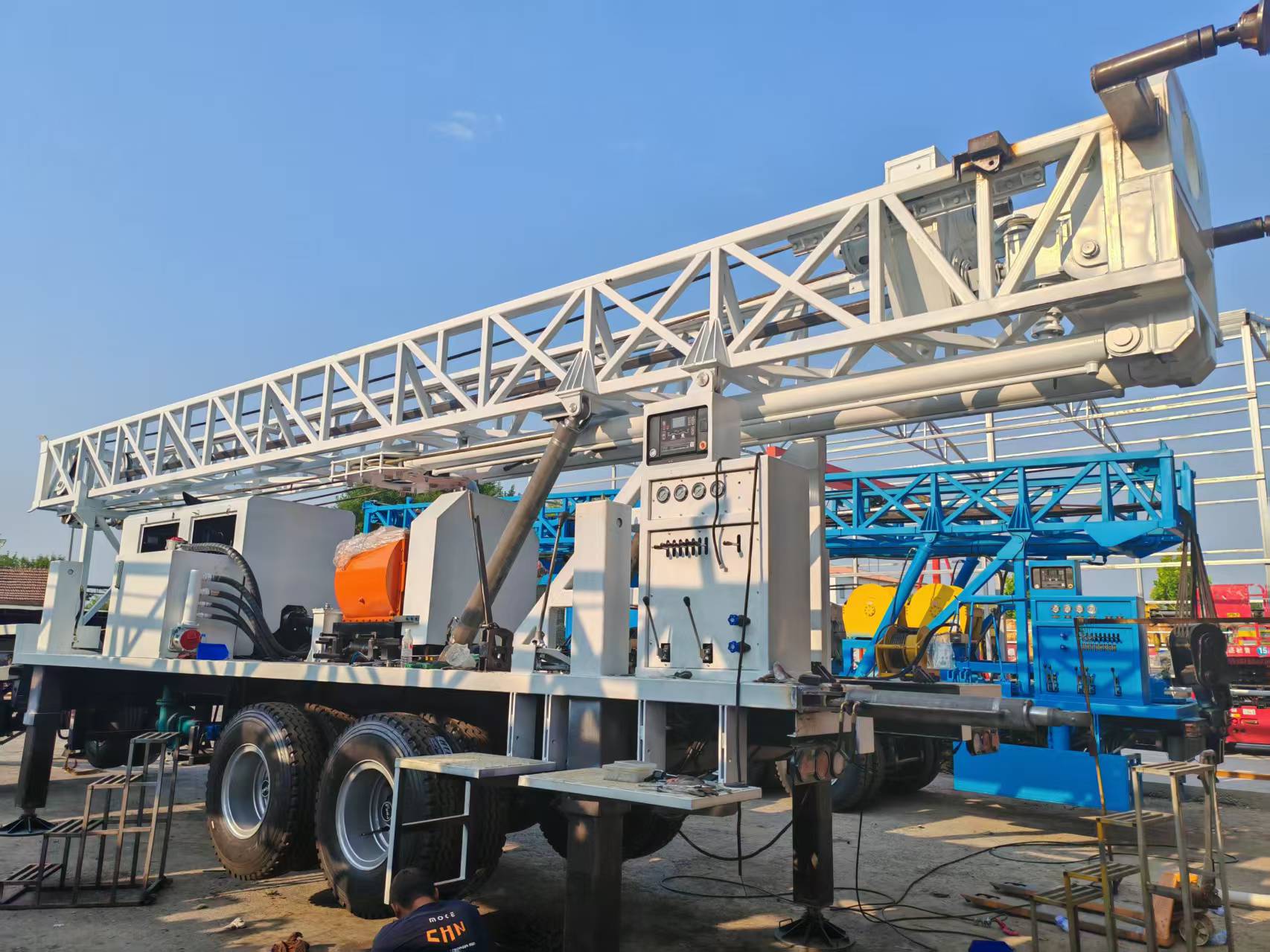
Introduction
Drilling rigs designed for 600–1000 meter depths are critical assets in water well, geothermal, and mineral exploration projects. These mid-range rigs combine power with portability, but their operation demands strict adherence to safety and mechanical protocols. Mismanagement can lead to equipment failure, costly downtime, or severe injuries. This article outlines the essential operating precautions for crews and supervisors to ensure efficient, safe, and long-lasting performance of 600–1000m drilling rigs.
1. Pre-Operation Inspection and Site Preparation
Before any drilling activity, conduct a comprehensive visual and functional check of the rig. Verify hydraulic fluid levels, engine oil, coolant, and fuel. Inspect all hoses, fittings, and seals for leaks or wear. Check the mast, derrick, and crown block for structural integrity, and ensure all bolts and pins are torqued to specification. Confirm that the brake system, clutches, and emergency stop mechanisms operate correctly. On site, level the rig using hydraulic jacks or wooden cribbing, and stabilize the ground to prevent shifting. Mark underground utilities and ensure a clear radius of at least 1.5 times the mast height around the rig.
2. Drilling Parameter Control
For 600–1000m rigs, maintain optimal parameters: rotation speed (typically 40–120 RPM), weight on bit (WOB) (ranging 2–10 tons depending on formation), and mud flow rate (300–800 L/min). Avoid sudden changes in WOB or rotation to prevent bit damage or deviation. Monitor torque and pullback pressure continuously – a spike may indicate a stuck pipe or bit balling. When drilling through unconsolidated formations, reduce penetration rate and increase mud viscosity to stabilize the borehole. Always use a calibrated weight indicator and pressure gauges.
3. Pipe Handling and Tripping Operations
Tripping pipe in and out of the hole is the highest-risk phase. Use a proper elevators and slips system, and never exceed the rated load of the hoisting equipment. When adding or removing drill pipes, ensure the pipe wrenches are correctly positioned and the crew stands clear of the rotary table. Lubricate threads with approved thread compound and inspect each tool joint for cracks or galling. Do not spin pipes at high speed until the threads are fully engaged. Use a stabbing guide when connecting pipes to prevent cross-threading. Always set the slips before releasing the elevators, and never leave the pipe unsupported.
4. Mud Circulation and Solids Control
The drilling fluid system is vital for cooling the bit, carrying cuttings, and maintaining borehole pressure. Check mud weight and viscosity every 30 minutes during active drilling. Ensure the mud tank level is stable – a rapid drop indicates lost circulation; a rise suggests water influx. Operate shale shakers and desanders continuously to remove cuttings, and clean the mud pits regularly to prevent settling. Never allow the mud pump to run dry, as this can cause severe pump damage. Keep a supply of bentonite, polymer, and lost circulation materials (e.g., mica, sawdust) on site for emergency treatments.
5. Hydraulic System Safety
The hydraulic system powers the mast raising, feed control, and auxiliary winches. Before raising the mast, ensure no personnel are near the mast path and that the wind speed is below the manufacturer’s limit (usually 45 km/h). Operate the mast slowly and smoothly, watching for any hydraulic leak – a pinhole leak can inject fluid into skin, causing severe injury. If a leak is detected, shut down the system and depressurize before repair. Use only manufacturer-recommended hydraulic fluid and change filters per schedule. Never exceed the rated system pressure (typically 20–25 MPa for this class).
6. Electrical and Control Systems
For rigs with electric drives, check all cables for cuts, abrasion, or exposed conductors. Ensure the main breaker is locked out during maintenance. Verify that the control panel displays correct RPM, torque, and depth readings. Calibrate depth counters and weight indicators at the start of each shift. In wet conditions, use ground-fault circuit interrupters (GFCIs) for all auxiliary power outlets. If the control system shows erratic readings, stop drilling and diagnose – do not override safety interlocks.
7. Routine Maintenance and Lubrication
Follow a strict maintenance schedule: daily greasing of swivel, rotary table, and crown bearings; weekly inspection of wire rope for broken wires or birdcaging; monthly replacement of hydraulic filters. Check the cathead and drawworks brake bands for wear – replace them if the lining thickness is below 3 mm. Torque all bolts on the mast base and substructure after the first week of operation, then monthly. Record all maintenance in a logbook, noting hours of operation and any anomalies. Use only OEM-approved spare parts for critical components.
8. Emergency Procedures and PPE
All crew members must wear hard hats, steel-toed boots, safety glasses, and hearing protection. Gloves are mandatory when handling pipe or cables. Establish a clear emergency response plan: designate a first-aid officer, keep a fully stocked medical kit, and post emergency contact numbers. Practice a fire drill monthly – use dry chemical extinguishers rated for Class B and C. In case of a blowout or well kick, immediately shut off the mud pump, close the blowout preventer (if equipped), and evacuate the area. For stuck pipe, never exceed 80% of the rig’s rated pull capacity to avoid catastrophic failure.
9. Environmental and Operational Compliance
Contain all drilling fluids and cuttings in lined pits or steel tanks to prevent soil contamination. Dispose of spent mud and cuttings according to local regulations. Monitor noise levels – if exceeding 85 dB, require hearing protection and consider acoustic barriers. Ensure the rig is positioned away from water sources and that any spills are immediately contained and reported. Follow all local permits, including depth restrictions and groundwater protection rules.
10. Training and Communication
Only trained and certified operators should run the rig controls. Conduct a pre-shift toolbox talk covering the day’s plan, hazards, and hand signals. Use two-way radios for communication between the driller, derrickman, and mud pit operator. Never allow non-essential personnel within the rig’s operational radius. After any major repair or modification, test the rig under no-load conditions before resuming drilling. Encourage crew members to report any unsafe condition immediately without fear of reprisal.
Conclusion
Operating a 600–1000m drilling rig requires a disciplined approach to safety, mechanical vigilance, and environmental responsibility. By performing thorough pre-start inspections, controlling drilling parameters, maintaining fluid systems, and adhering to emergency protocols, crews can minimize risks and maximize operational efficiency. Regular training and open communication further reduce human error. Remember that every precaution listed here is not just a guideline – it is a safeguard for lives, equipment, and the success of your drilling project. When in doubt, stop and consult the manufacturer’s manual or a qualified engineer.