
Maintenance and Operation of the Drilling Rig Air Compress
2026-08-17
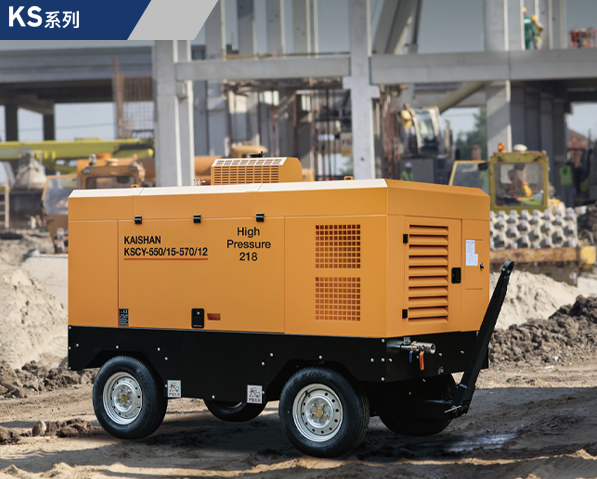
Introduction
Air compressors are the lifeline of any drilling rig, powering critical systems such as pneumatic controls, mud pumps, and rig brakes. A failure in the compressor can halt operations, leading to costly downtime and potential safety hazards. Effective maintenance and operation of the drilling rig air compressor are therefore essential for uninterrupted drilling activities. This article outlines best practices for daily operation, routine maintenance schedules, common fault diagnosis, and long-term care strategies to maximize equipment lifespan and efficiency.
1. Fundamentals of Drilling Rig Air Compressors
Drilling rigs typically employ rotary screw or reciprocating compressors, driven by diesel engines or electric motors. They supply compressed air at pressures ranging from 100 to 150 psi, used for instrumentation, air hoists, and dust control. Understanding the compressor’s duty cycle, lubrication system, and cooling mechanism is the first step toward proper maintenance. Operators must be familiar with the manufacturer’s manual, including safety interlocks and shutdown alarms, before starting any routine work.
2. Daily Pre-Operation Checks
Before starting the compressor, perform a visual inspection of the unit. Check for oil leaks, loose belts, and damaged hoses. Verify the oil level is within the sight glass’s normal range, and top up with the recommended grade if necessary. Inspect the air filter for excessive dirt or moisture; a clogged filter reduces efficiency and increases fuel consumption. Drain any condensate from the air receiver tank and moisture separators, as water in the system can cause corrosion and valve damage. Finally, confirm that all pressure gauges and safety valves are functional and set to the correct limits.
3. Routine Maintenance Schedule
Adhering to a planned maintenance schedule is crucial. Daily tasks include checking the oil level, draining condensate, and listening for abnormal noises. Weekly, inspect and clean the air intake filter, and check the drive belt tension (if applicable). Monthly, replace the oil filter and separator element, and analyze oil samples for contamination. Every 500 hours of operation, change the compressor oil and inspect the cooling fins for debris. Annually, perform a full service: replace all filters, pressure valves, and gaskets, and test the safety relief valve. Keep a detailed log of all maintenance activities to track wear patterns and predict future replacements.
4. Operational Best Practices
Proper operation extends compressor life. Always allow the compressor to warm up for 3–5 minutes before loading, especially in cold climates. Avoid running the unit at maximum pressure continuously; instead, set the pressure regulator to the minimum required for the task. Monitor the discharge temperature – sustained high temperatures (above 200°F) indicate cooling problems or excessive friction. When shutting down, unload the compressor first, then let it idle for a minute before stopping to prevent oil coking. Never restart a hot compressor immediately; wait for the thermal overload reset.
5. Common Faults and Troubleshooting
– Low oil pressure: Check for low oil level, clogged oil filter, or faulty pressure relief valve. Replace the filter and verify the oil pump operation.
– Overheating: Inspect the radiator or intercooler for blockages, check the cooling fan drive, and ensure the ambient temperature is within limits. Clean the fins with compressed air.
– Excessive oil consumption: Look for worn piston rings (reciprocating type) or failed shaft seals (rotary screw). Perform a pressure test to locate leaks.
– Abnormal noise: A knocking sound may indicate bearing wear; a hissing sound suggests an air leak. Isolate the source using a stethoscope and repair immediately.
– Compressor fails to start: Check electrical connections, fuses, and the motor starter. Verify that the emergency stop button is not engaged and that the pressure switch is not stuck.
6. Safety and Environmental Considerations
Compressed air systems pose serious risks if mishandled. Always depressurize the system before any maintenance work. Use lockout/tagout procedures to prevent accidental starts. Wear appropriate personal protective equipment (PPE), including hearing protection and safety glasses. When draining condensate, collect it in a proper container – oil-contaminated water must be disposed of according to environmental regulations. Never exceed the rated pressure of any component, and ensure all safety devices are certified and regularly tested.
7. Long-Term Care and Spare Parts Management
For extended equipment life, maintain a proactive replacement strategy. Keep critical spare parts on site, such as air filters, oil separators, belts, and pressure switches. Store them in a dry, clean environment to prevent degradation. Periodically review the compressor’s performance data (e.g., flow rate, power draw) against baseline values; a gradual decline indicates internal wear. Consider predictive maintenance using vibration analysis or oil spectroscopy for high-value rigs. Finally, train all operators and maintenance personnel on the specific compressor model, emphasizing safe operation and early fault detection.
Conclusion
The maintenance and operation of a drilling rig air compressor demand diligence, technical knowledge, and a systematic approach. By implementing daily checks, adhering to a structured maintenance schedule, and practicing safe operational habits, rig crews can prevent unexpected failures, reduce repair costs, and ensure a reliable air supply for all drilling functions. Regular troubleshooting and long-term care planning further enhance equipment resilience. Ultimately, a well-maintained compressor not only boosts productivity but also safeguards personnel and the environment, making it a cornerstone of successful drilling operations.